
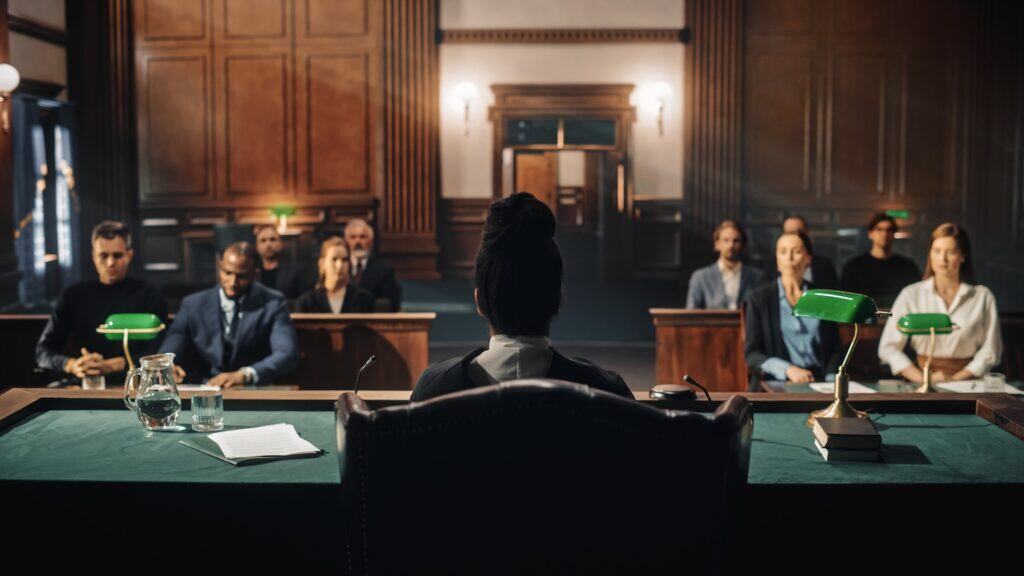
Let’s keep it real — when you walk into a Texas courtroom, every detail counts. The way you talk, how you move, and yes, even what you wear. You’re stepping into a space where the judge, jury, and prosecutor are already forming opinions before you say a word.
Your clothes can speak for you — either in your favor or against you. I’ve seen it too many times: how you show up can set the tone for how people treat you. So, let’s talk about how to dress when your day in court comes.
Why It Matters
Court isn’t the place for “come as you are.” It’s a place of structure, respect, and authority.
When you walk in dressed right, you’re saying, “I understand the seriousness of what’s going on here.” You’re telling the court you respect the process — and yourself.
Judges notice effort. So do juries. They can’t help it. Dressing the part doesn’t make you guilty or innocent, but it can help you be heard the right way.
What to Wear (and What to Skip)
This isn’t about being fancy — it’s about showing respect. Here’s what works and what doesn’t.
✅ Aim for This
- Business or business-casual clothes: Slacks or dress pants, collared shirt, blouse, modest skirt or dress.
- Neutral colors: Navy, gray, black, white — nothing too loud or flashy.
- Clean and pressed: No wrinkles, no stains, no sagging.
- Shoes matter: Closed-toe, no flip-flops, no slides.
- Keep grooming tight: Clean hair, trimmed beard, nothing distracting.
- Take off hats: Unless it’s for religion or health reasons.
🚫 Avoid This
- Shorts, cut-offs, or sagging pants.
- Tank tops, muscle shirts, or anything showing too much skin.
- Jeans with holes, ripped clothing, or pajamas.
- Clothes with offensive logos or messages.
- Hats, sunglasses, or anything that looks like you’re not taking this seriously.
- Flip-flops or slides — save those for after court.
For Defendants
If you’re the one on trial, your outfit speaks before you do. Go for clean, simple, and serious.
- Men: Dark slacks, button-down shirt, tie if possible, jacket if you’ve got one.
- Women: Conservative dress, blouse with slacks or a skirt, maybe a blazer.
- Cover tattoos if you can — not because they’re bad, but because they can be distracting in this setting.
You don’t want your clothes saying, “I don’t care.” You want them saying, “I came ready.”
For Witnesses or Supporters
Even if you’re not the one on trial, you’re still part of the courtroom environment. Show respect by dressing neatly and quietly. You don’t need to stand out — you just need to look like you belong there.
If You’re Appearing on Zoom
Don’t think a virtual appearance gives you a free pass. Judges still expect the same standard.
Dress as if you were walking into the courtroom. Solid colors, good lighting, quiet background. No hoodies, no bed head, no distractions.
The Subtle Power of Dress
Here’s what dressing right does for you:
- Shows respect. You’re not taking this lightly.
- Signals responsibility. You care enough to show up right.
- Keeps the focus on your case, not your clothes.
- Boosts confidence. When you look the part, you act the part.
Common Mistakes and Quick Fixes
| Mistake | Why It’s a Problem | What To Do Instead |
| Ripped jeans | Too casual for court | Dark slacks or clean, solid jeans (only if allowed) |
| Tank top | Looks unprofessional | Add a collared shirt or light jacket |
| Flip-flops | Disrespectful and sloppy | Wear closed-toe shoes |
| Graphic T-shirt | Distracting or inappropriate | Solid colors, no slogans |
| Hat indoors | Seen as casual or rude | Take it off, keep it simple |
Dress for the Case You’re In
- Traffic or minor issues: Business-casual is fine, just no shorts or sandals.
- Misdemeanor or felony cases: Go more formal — jacket, tie, or a full suit.
- Jury trial or high-profile case: Bring your A-game. Conservative suit or dress. No debate.
Quick Court-Day Checklist
Before you walk out the door (or log on to Zoom):
- Clothes clean, pressed, and modest?
- Shoes appropriate?
- Hair neat and face clean?
- No loud colors, hats, or flashy accessories?
- Look like you’re ready for a serious conversation?
If yes — you’re good to go.
Final Word
The courtroom is one of the few places where appearance still matters, big time.
You can’t control every part of your case — but you can control how you show up.
When I walk into court with my clients, I want the judge and jury to see someone who’s serious, grounded, and ready to fight for their side. That starts with how you look before we even say a word.
Let your clothes work with you, not against you.
And if you’re facing criminal charges in Dallas or anywhere in Texas — don’t face it alone. Call me. I’ll help you walk in confident, informed, and ready.
Randel Cross, Criminal Defense Attorney – Dallas, Texas
Fierce Litigation. Responsible Negotiation
I fight hard, I fight smart, and I fight for you.